£5,690 Car Tax Shock: What it Means for Drivers in 2026
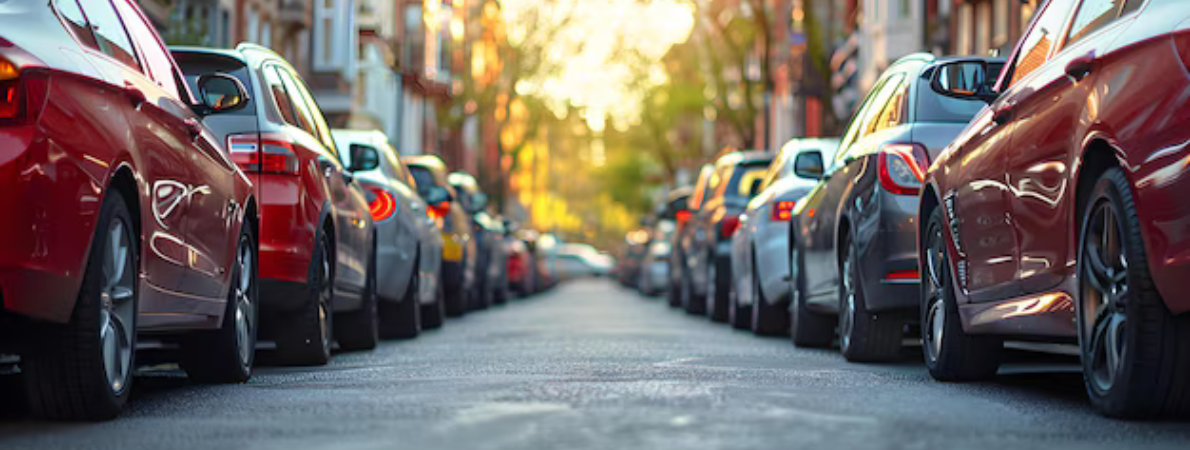
If you thought car tax was already expensive, brace yourself - because for some drivers, prices are about to increase even more. From April 2026, a total of 59 car models will be hit with a staggering £5,690 first-year tax bill. This tax will impact 24 different manufacturers, spanning everything from everyday brands to high-end performance names. Familiar marques like Ford, BMW and Mercedes-Benz, alongside premium and specialist manufacturers such as Audi, Porsche and Lamborghini, highlighting just how wide-reaching the changes are. Yes, really. But this high figure isn't the cost of the car - that’s just the tax to put it on the road.
The £5,690 question: Who pays for this?
Before panic sets in, let’s be clear: this isn’t a bill that suddenly lands on existing owners. This charge applies to brand-new cars in their first year of registration, and specifically those with very high CO2 emissions (over 255g/km).
In other words, this is essentially aimed at:
- High-performance petrol and diesel cars
- Large SUVs with powerful engines
- Luxury and sports models
Think along the lines of Range Rover V8s, Porsche 911 Turbos, Audi RS models and even Lamborghinis.
Why is car tax going up and why now?
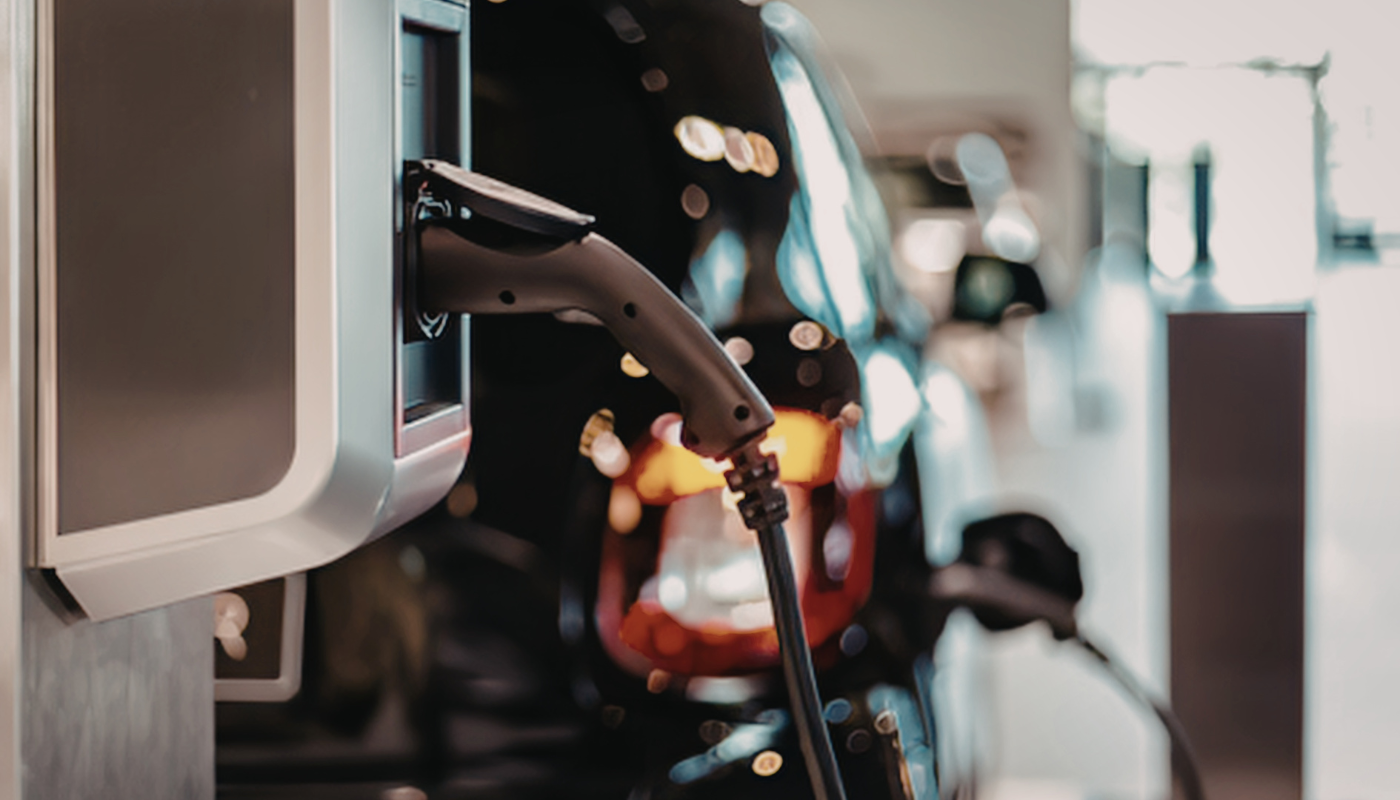
This isn’t just a random price hike - it’s part of a bigger government strategy. The UK has been steadily tightening Vehicle Excise Duty (VED) rules to encourage drivers to move towards electric vehicles (EVs). The logic is simple. The more your car pollutes, the more you pay. The cleaner your car, the cheaper it is to tax
And the gap is widening. While high-emission cars face nearly £6,000 in first-year tax, electric vehicles still pay as little as £10 in year one.
The £5,690 figure isn’t coming out of nowhere. In April 2025, the government already doubled first-year tax rates for the most polluting cars - from £2,745 to £5,490. Now, it’s rising again in line with inflation. So, while the latest increase is “only” £200, the bigger story is how dramatically costs have risen in just a couple of years.
It’s not just supercars in the firing line
Here’s where things get interesting. While exotic cars dominate the headlines, some more familiar models also creep into higher tax bands - especially:
- Performance trims (think “M”, “AMG” or “RS”)
- Large family SUVs with bigger engines
- Pick-ups and off roaders with high emissions
Even brands like Ford and Toyota appear on the list, depending on the engine and spec. So, while you might not be eyeing a Ferrari, your “dream spec” SUV could still come with a tax sting.
What happens after year one?
Here’s a bit of relief. After the first year, most cars move onto the standard annual VED rate, expected to be around £200 per year. However, there is a catch. If your cars original cost was over £40,000, you’ll also pay an additional “expensive car supplement” for five years. That’s currently around £425 a year - so it all adds up.
Here are 10 of the standout new models, among the 59 vehicles, facing this tax from April 1st, 2026:
- Land Rover Defender 90 5.0 P425 V8
- Ford Ranger 2.0 TD Eco Blue
- Audi RSQ8 4.0 TFSI V8
- Lamborghini Huracan 5.2 V10
- Porsche 911 3.7T 992 Turbo
- Audi RS7 4.0 TFSI V8
- Bentley Bentayga 4.0 V8
- Volkswagen Amarok 3.0 TDI
- INEOS Grenadier 3.0P
- Porsche Macan 2.9T V6

What this means for buyers
If you’re planning to buy a new car in 2026, this matters more than ever.
Here’s what you should keep in mind:
The first year just got very expensive. That upfront tax hit can significantly increase the true cost of ownership - especially if you’re financing.
Engine choice matters more than ever. Two versions of the same car could have wildly different tax bills depending on emissions.
Electric cars are becoming more attractive. Not just for environmental reasons - but purely on cost.
The bigger picture: a shift in how we choose cars
This isn’t just about tax - it’s about behaviour. By making high-emission cars significantly more expensive upfront, the government is nudging buyers towards:
- Hybrid options
- Fully electric vehicles
- Smaller, more efficient engines
And it’s working. For many drivers, the question is no longer “what do I want to drive?” but “financially, what makes the most sense?” At MotorEasy, we see this as part of a wider trend: the real cost of driving is becoming more complex - and more important to understand. It’s no longer just about the purchase price. Drivers now need to factor in:
- Tax
- Insurance
- Maintenance
- Depreciation
Sometimes, the “cheaper” car on paper ends up costing far more. The £5,690 tax headline is designed to grab attention - but the real takeaway is this: The wrong car choice could cost you thousands before you’ve even driven it home. So, whether you’re upgrading, downsizing, or just browsing - make sure you look beyond the price tag.
And it’s not just tax you need to think about.
New cars can lose a significant chunk of their value the moment you drive them away, with depreciation often costing far more than VED over time. So even if you dodge the highest tax bands, you could still be exposed financially if your car is written off or stolen.
That £5,690 tax bill might grab the headlines - but it’s not the biggest financial risk you face. The real cost often comes later, when your car rapidly loses value.
That’s where MotorEasy GAP insurance makes all the difference. It covers the shortfall between your insurer’s payout and the original price of your car, meaning you’re not left out of pocket after a write off. With upfront costs rising, GAP insurance isn’t just a nice-to-have - it’s a smart way to protect your investment from day one. It’s a simple way to avoid being left out of pocket when the unexpected happens.
Because in today’s market, with car taxes going up, the last thing you want is to lose money if your car is written off or stolen. Smart choices aren’t just about what you drive - they’re about protecting your investment from depreciation and unexpected financial loss.